Summary:
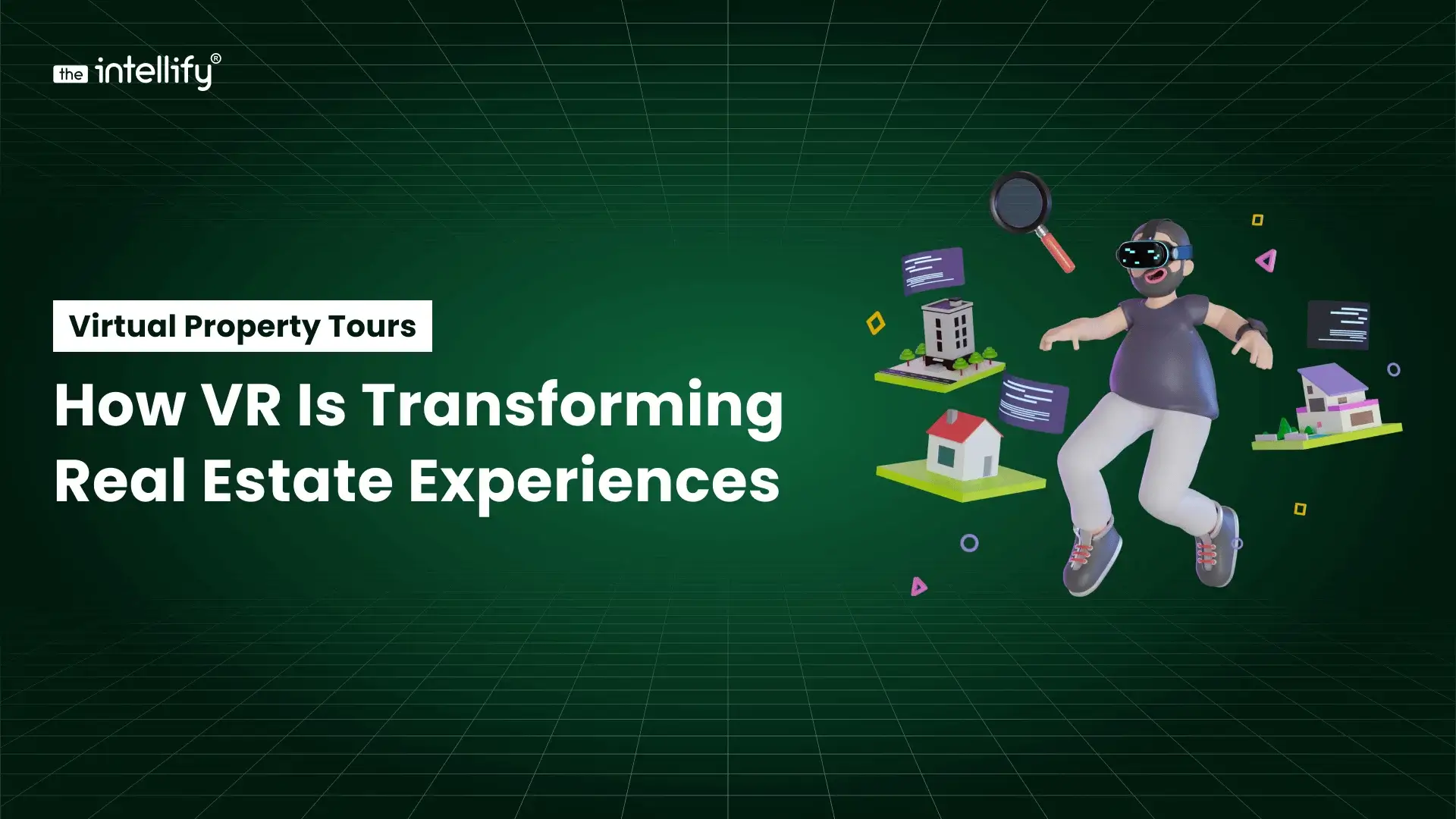
Virtual Property Tours are changing how real estate businesses present and sell properties. This blog explains how Virtual Property Tours using VR help buyers explore spaces remotely, understand layouts better, and make confident decisions. It covers real-world use cases, key benefits, and how businesses can build effective VR property tour apps to improve engagement, reduce site visits, and generate higher-quality real estate leads
Buying a property has never been simple. Even today, it usually means rearranging your schedule, driving across town, meeting strangers, and walking through spaces that don’t quite match the photos you saw online. Sometimes the room feels smaller. Sometimes the light isn’t what you expected. And sometimes… it just doesn’t click.
This is where Virtual Property Tours step in, not as a flashy trend, but as a practical solution. Using VR, buyers can explore properties calmly, clearly, and on their own terms. For real estate businesses, this shift is creating better leads, faster decisions, and fewer wasted site visits.
Let’s walk through how it all works, without jargon or hype.
The Shift From Physical Visits to Virtual Property Tours
For years, real estate relied heavily on physical visits. That was the moment of truth. Everything else, photos, brochures, videos, was just a warm-up. But buyer behavior has changed.
People now research deeply before committing time. They shop online, work remotely, and make major decisions digitally. Property buying is following the same path.
Virtual Property Tours don’t replace physical visits. They refine them. By the time a buyer steps on-site, they already understand the layout and flow of the space. The visit becomes confirmation, not exploration. That alone changes the pace of sales conversations.
What Are Virtual Property Tours?
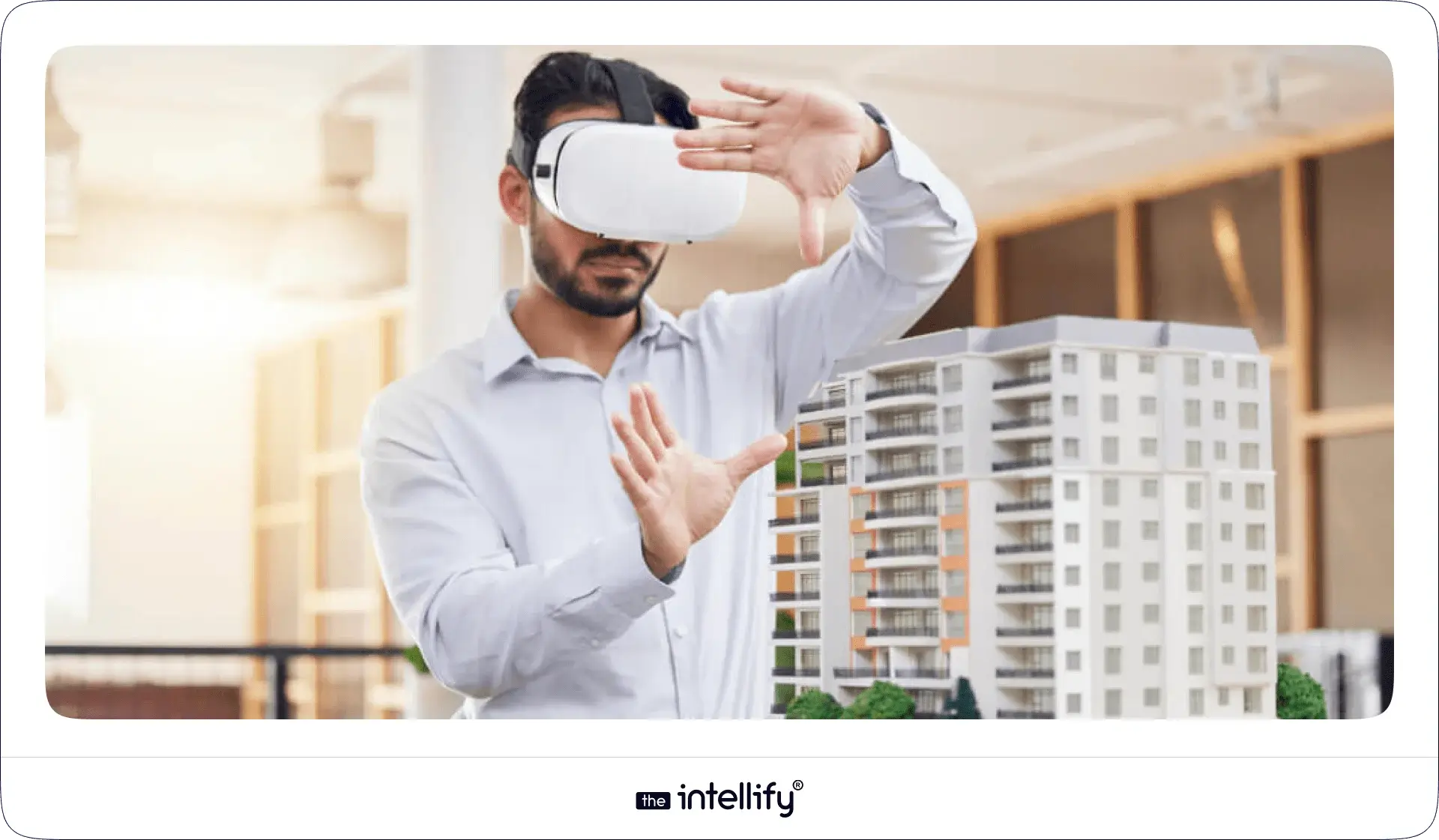
At a basic level, a virtual property tour allows someone to explore a property digitally. But there are different levels to this experience:
- Photo-based tours (static and limited)
- Video walkthroughs (guided but passive)
- Fully immersive VR tours (interactive and user-controlled)
Virtual Property Tours Using VR sit at the top of this list. Instead of watching someone else walk through a property, users move through it themselves. They choose where to look, when to pause, and what to explore.
It feels closer to a real visit without the pressure or time commitment.
How Virtual Property Tours Using VR Actually Work
This sounds technical, but the process is quite straightforward.
Step 1: Property Capture
The property is scanned using 3D cameras or spatial imaging tools. Every room, corner, and connection is recorded.
Step 2: Digital Environment Creation
The captured data is converted into a virtual environment that mirrors the real space. Proportions matter here. Accuracy is key.
Step 3: User Access
Buyers access the tour through:
- VR headsets
- Mobile phones
- Desktop browsers
A good VR Property Tour works smoothly across all three. No learning curve. No confusion.
Why Real Estate Businesses Are Adopting VR Property Tours
Real estate teams didn’t wake up one day and decide to chase VR because it sounded cool. They adopted it because their old way of working started slowing them down.
Buyers today come prepared. They’ve already checked listings, compared prices, and scanned neighborhoods online. When they book a visit, they expect clarity, not surprises. VR Property Tours help close that gap early.
Instead of spending hours on initial walkthroughs, businesses now use VR as a first filter. Buyers explore the property virtually, form opinions, and then move forward only if it feels right.
That alone changes daily operations.
What’s pushing adoption forward
- Time pressure: Agents and sales teams juggle multiple listings. VR reduces repetitive walkthroughs that lead nowhere.
- Remote decision-making: Many buyers aren’t local anymore. Job transfers, relocations, and remote work mean people shop from afar.
- Higher buyer expectations: Static photos feel outdated. Buyers want context, flow, and realism.
- Cost control: Fewer site visits mean less prep, fewer staff hours, and lower operational overhead.
There’s also a subtle emotional benefit. When buyers feel informed before visiting, conversations feel calmer. Less convincing. More confirming. That’s a healthier sales process for everyone involved.

Real Estate Virtual Tour Using VR vs Traditional Virtual Tours
Traditional virtual tours do their job, but they stop short. Here’s the practical difference:
Traditional Virtual Tours
- Click-based navigation
- Limited sense of space
- Easy to forget after viewing
Real Estate Virtual Tour Using VR
- Natural movement
- Clear spatial understanding
- Stronger emotional connection
With VR, buyers don’t memorize layouts. They understand them. That clarity reduces doubt and speeds up decisions.
Key Use Cases of VR Property Tours Across Real Estate Segments

VR 360° Virtual Tours aren’t limited to one type of real estate. They’re being used across all boards.
Residential Properties
- Buyers explore layouts before booking visits
- Families compare homes without travel fatigue
Luxury Homes
- International and out-of-state buyers view properties remotely
- Fewer unnecessary in-person showings
Commercial Real Estate
- Businesses visualize offices, retail spaces, and warehouses
- Better planning before leasing decisions
Under-Construction Projects
- Buyers walk through properties that don’t physically exist yet
- Fewer misunderstandings about final layouts
Sales Galleries & Events
- VR replaces physical models and brochures
- One setup, multiple properties
Each use case saves time and improves clarity.
Benefits of VR Property Tours for Buyers and Sellers
The benefits show up quickly on both sides.
For Buyers
- Explore properties anytime, anywhere
- Understand the layout and flow before visiting
- Feel more confident making shortlists
For Sellers and Developers
- Fewer low-intent inquiries
- Better-qualified leads
- Shorter sales cycles
Instead of pushing properties, teams spend time answering meaningful questions.
What Makes a High-Quality Real Estate VR Tour App?
Not all VR tours are created equal. Quality makes a noticeable difference.
- A strong Real Estate VR tour app should include:
- Simple navigation (no instructions needed)
- Accurate room proportions
- Smooth movement without lag
- Support across devices
- Subtle, consistent branding
Optional but valuable:
- User behavior tracking
- Heatmaps showing popular areas
- Integration with sales tools
When the experience feels natural, users stay longer.
Why Businesses Are Investing in Custom VR Property Tour Apps
Off-the-shelf tools can work for basic needs. They’re quick to deploy and cheaper upfront. But many businesses hit a wall sooner than expected. Custom VR app development give real estate businesses control over experience, branding, and future growth.
Where custom apps make a real difference
- Brand consistency: Custom apps reflect the company’s identity. Colors, tone, and navigation are all aligned with how the brand wants to feel.
- Scalability: As listings grow, custom platforms handle expansion smoothly. No redesign every few months.
- Better performance: Optimized apps load faster and run smoother, especially across devices.
- Integration with sales systems: CRMs, booking tools, analytics, everything connects instead of living in silos.
For businesses serious about growth, Virtual property tours using VR become part of their long-term sales strategy, not just a marketing experiment.
How to Get Started With Virtual Property Tours Using VR
Getting started doesn’t require a massive rollout. In fact, starting small often works better. The first step isn’t technology, it’s intent.
Ask yourself:
- Are buyers asking for more details before visits?
- Are site visits time-consuming and repetitive?
- Are online listings failing to stand out?
If the answer is yes, VR is worth exploring.
1. Start with one property: Choose a representative listing. Not the biggest or fanciest, just a solid example.
2. Define the experience: Decide what matters most:
- Layout clarity?
- Interior finishes?
- Overall flow?
3. Choose the right format: Ensure the tour works on:
- Mobile
- Desktop
- VR headsets (optional, not mandatory)
4. Test with real users: Watch how people move. Where they pause. Where they exit.
5. Refine and scale: Improve visuals, navigation, and performance before expanding to more listings.
Then expand gradually, improving visuals and features over time.

Conclusion
Virtual tours aren’t replacing human interaction. They’re improving it. Buyers arrive informed. Sellers save time. Agents focus on serious conversations. As expectations continue to shift, Virtual Property Tours will move from “nice to have” to “expected.” Those who adapt early build trust. Those who wait scramble later.
It’s not about being futuristic. It’s about being practical.
Frequently Asked Questions (FAQs)
1. What are virtual property tours, and how do they work?
Virtual Property Tours allow buyers to explore a property digitally without visiting it physically at the start. Using VR technology, the property is recreated in a 3D environment where users can move through rooms, look around freely, and understand the layout. These tours work on VR headsets, mobiles, or desktops, making them accessible to most buyers and investors.
2. How are Virtual Property Tours using VR better than normal virtual tours?
Normal virtual tours are usually image-based or video-led, which limits interaction. Virtual Property Tours Using VR feel more realistic because users control their movement and viewing angles. This helps buyers understand space, flow, and proportions better. As a result, engagement is higher, and buyers feel more confident before scheduling a site visit.
3. Do buyers need a VR headset to view a VR property tour?
No, a VR headset is not required. Most VR Property Tours are designed to work smoothly on mobile phones and web browsers. A headset simply enhances the experience but is optional. This flexibility ensures that more buyers can access the tour without any technical barriers.
4. Are VR property tours useful for under-construction or off-plan projects?
Yes, VR property tours are especially valuable for under-construction or off-plan projects. A Real Estate Virtual Tour Using VR allows buyers to walk through a digital version of the property before it is built. This helps them understand layouts, room sizes, and overall design clearly, reducing confusion and increasing trust during early-stage sales.
5. How much does it cost to build a Real Estate VR tour app?
The cost of a Real Estate VR tour app depends on factors like the number of properties, the level of detail, and required features. Simple tours are more affordable, while custom apps with branding, analytics, and integrations cost more. Companies like The Intellify help businesses choose the right approach so the investment stays practical and goal-focused.
6. Can virtual property tours help generate more real estate leads?
Yes, virtual property tours often lead to better-quality inquiries. Buyers who explore a property through VR already understand the space and show higher intent. This means fewer casual inquiries and more serious prospects. Many real estate businesses use Virtual Property Tours to improve lead quality and shorten their sales cycle.
7. How long does it take to develop a VR property tour solution?
Development time depends on the complexity of the tour and the features required. A basic VR property tour can be ready within a few weeks, while custom solutions take longer. Experienced teams like The Intellify usually follow a phased approach, starting with a pilot tour and then scaling, so businesses can see results without long delays.